
Blog
Seedless Triploid Watermelon Production
TRIPLOID WATERMELON (Citrullus lanatus var. lanatus) Hybrid triploid watermelons, commonly called seedless watermelons, are generally more difficult to grow than diploid varieties. They can be grown successfully, though, with some extra care and management. The seedless trait results from crossing a normal seeded diploid parent with a tetraploid parent. Although the fruit is considered seedless,…


Asparagus
When To Plant: Plant in early spring, around the time the daffodils are in bloom. If plants arrive before weather conditions permit planting, keep them in a cool dry place. Soil: Asparagus likes dry feet, soil must drain well. Soil should be rich in organic matter, work in compost and fertilizer when preparing to plant.…
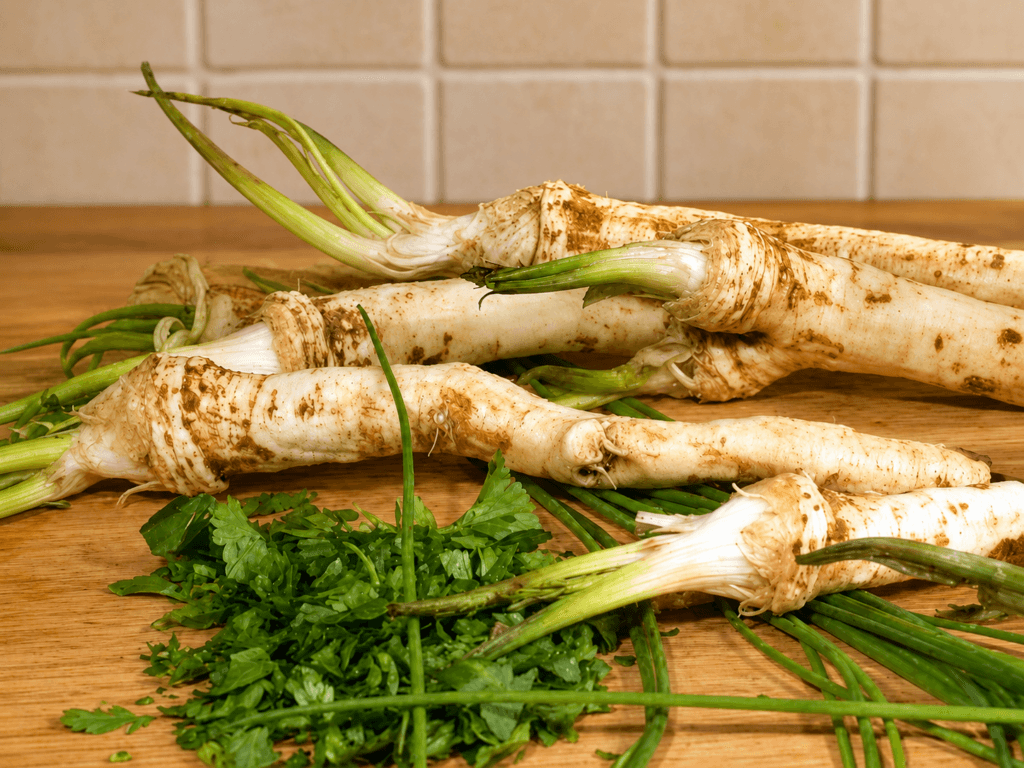
Horseradish
Planting: Although it demands little care, planting horseradish in well drained, rich soil will provide a better yield. Will do best in soil with pH of 6.2-6.7. Plant roots 10-12” apart with 3’ between rows. Place the root piece with the flat end up and the slanted end down at a 45 degree angle in…
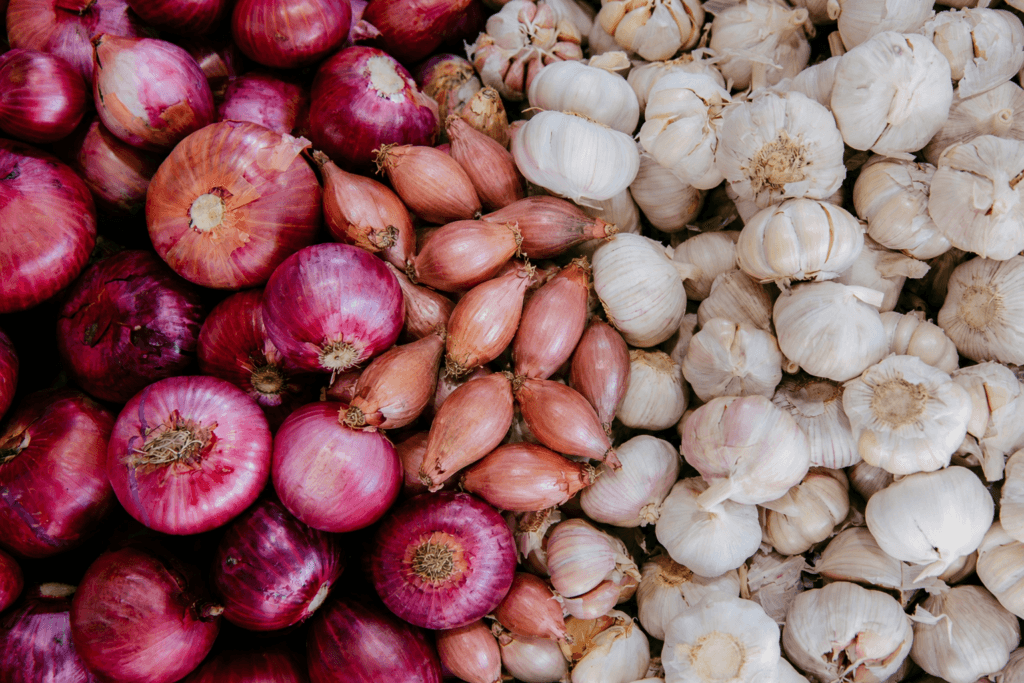
Spring Onions, Shallots & Garlic
Onion Plants While the enclosed plants may appear dry, don’t be alarmed; they’re simply dormant. Don’t worry if you can’t plant them immediately, even if the roots and tips begin to dry out. The onions can live off the bulb for approximately three weeks. Keep them in a well-ventilated, cool area until you can plant…

Microgreens
Dirt Crops Some micro-greens grow better in soil, such as peas, sunflower, buckwheat, beets, cilantro, lentils. If growing to the baby salad stage, soil may perform better as well. Soil: Seed starting medium is your best bet, but honestly, you can grab just about any potting mix or garden soil from the store with good…

Ginseng
The first step is site selection. Favorable soil and moisture conditions are most often associated with north or east facing slopes with at least 70% shade canopy. This is fairly dense shade we’re talking about. The best shade is provided by deep rooted, deciduous trees such as Poplar and Oaks. Ginseng grows best in a…
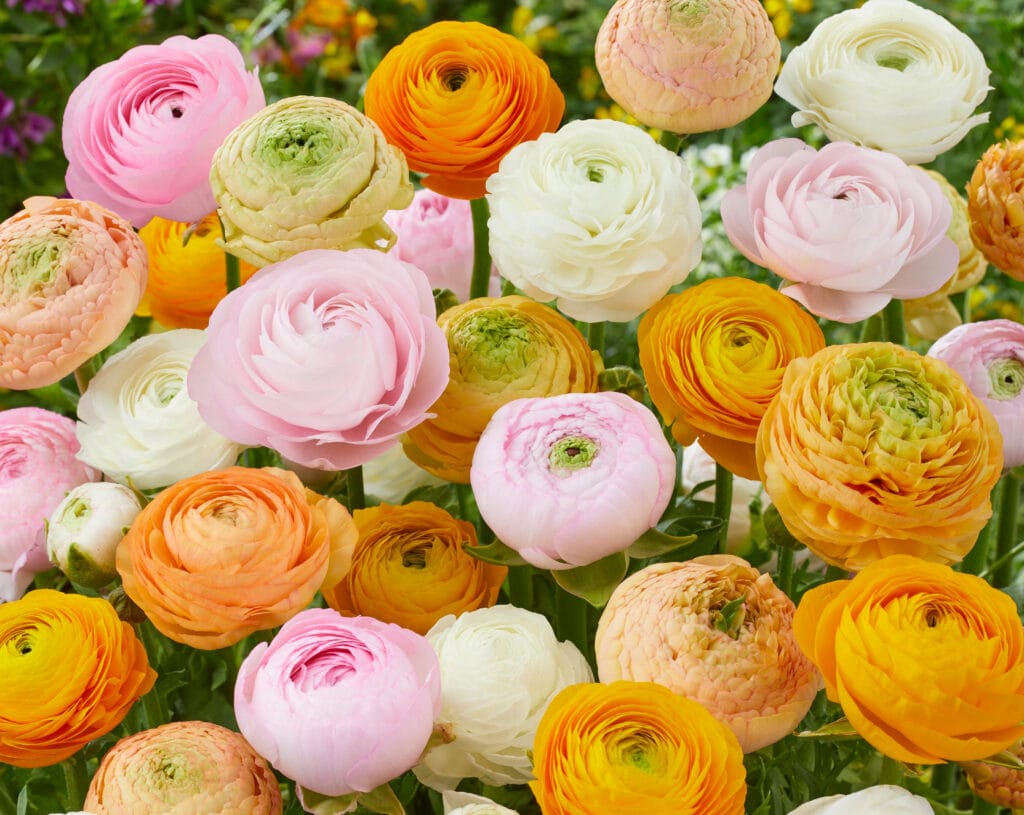
Ranunculus
The ideal planting time for ranunculus depends on your zone. Zones 8-10 can plant ranunculus bulbs in autumn for blooms in late winter and early spring. Zones 2-7 should plant in late winter or early spring, once the threat of hard frost is over. If you aren’t ready to plant the Ranunculus corms when you…
Corn Genotypes & Isolation
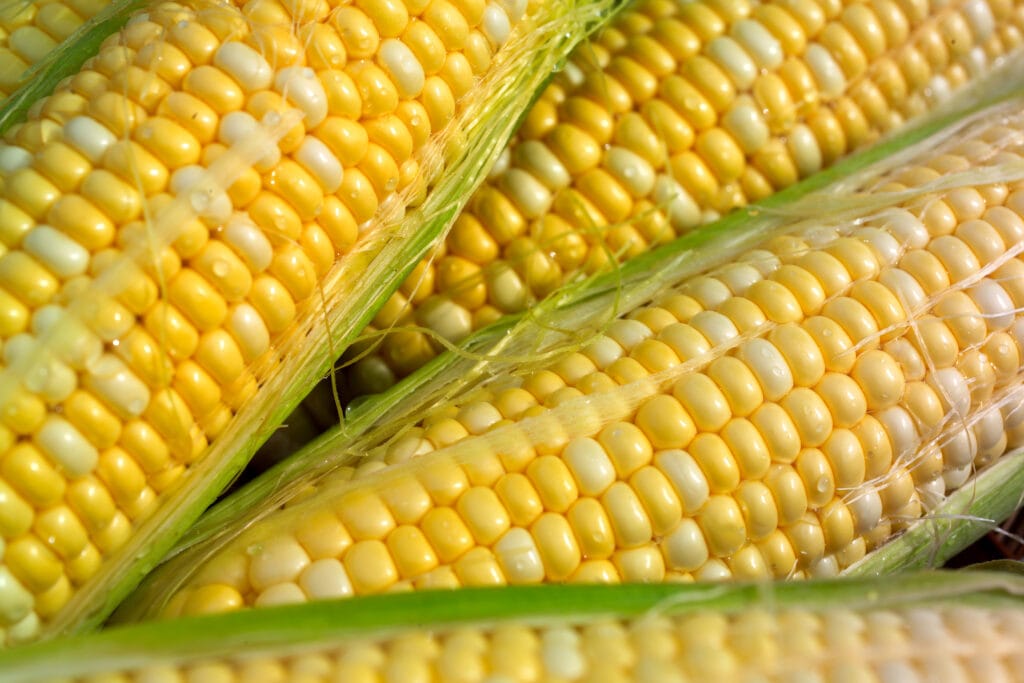
When planting multiple corn varieties, it’s important to understand how cross-pollination can affect kernel quality. In most cases, cross-pollination is not an issue within the same genotype group. However, if different genotype groups pollinate at the same time, the resulting ears may develop tough, starchy kernels instead of the tender sweetness you were expecting. The…

Fall Garlic
Culture: Garlic is easy to grow and bothered by few pests, making it a reliable addition to any garden. To get large, firm, and high-quality bulbs that also store well, it is important to start with rich, healthy soil. When preparing to plant, separate the cloves of garlic just before planting and choose the largest…
Pruning Your Fruit Tree
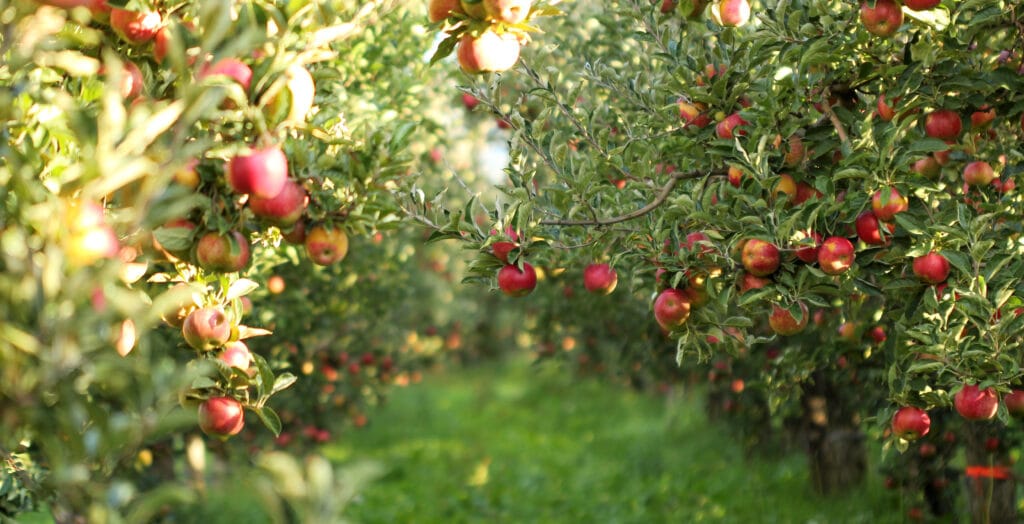
Various pruning techniques are used for each type of tree and with well-managed fruit trees your home orchard will be productive and enjoyable.Aim to have a balanced ratio of 1-,2-, and 3-year wood on a producing tree. Fruit production declines on 4-5-year wood. Pruning makes the fruit tree! Apples and Pears need dormant pruning (Dec.-Mar.)…
Strawberry Plug Culture Basics
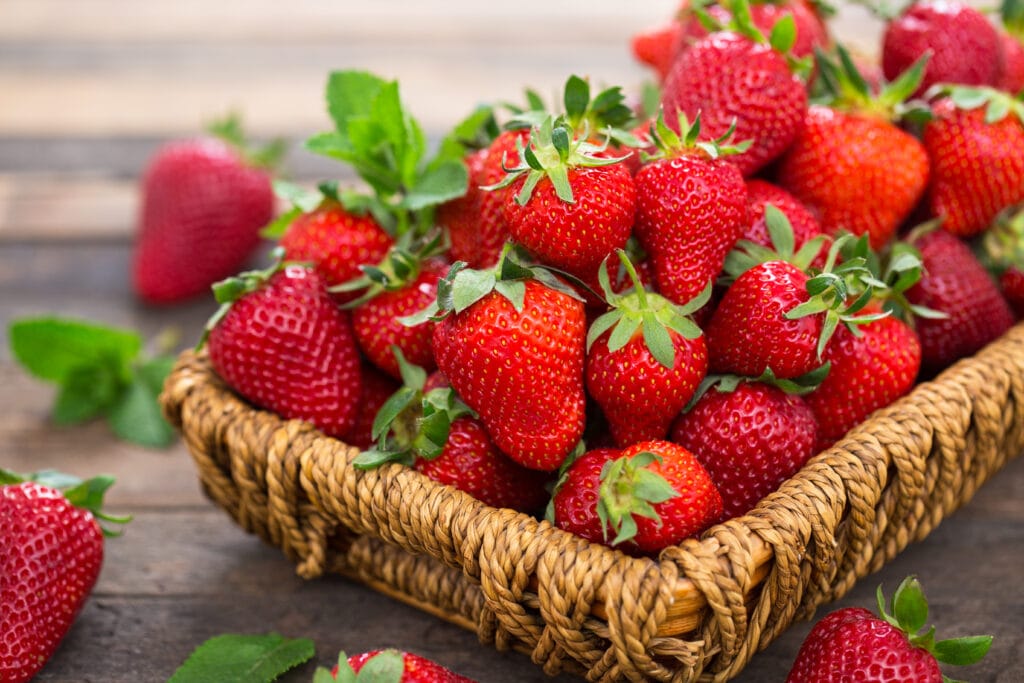
Bed Preparation and Planting Strawberry plug production begins with raised beds arranged in double rows and irrigated with either drip or overhead systems. While plastic mulch is a common option, alternatives like landscape fabric or even bare soil can be used if weed control is not a top priority. We recommend a minimum raised bed…
